
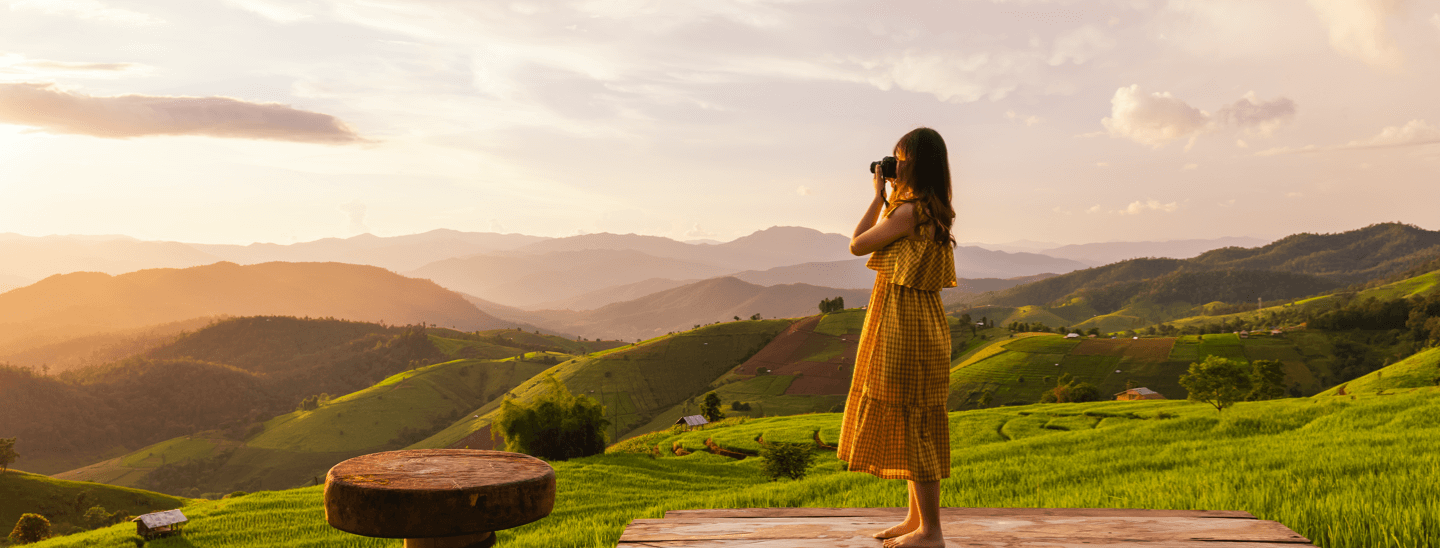
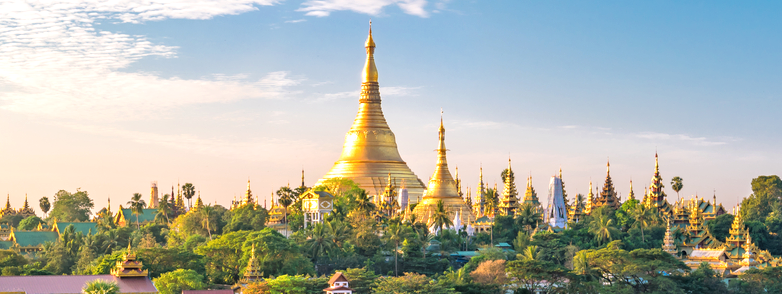
Myanmar's largest city and former capital, Yangon is the country's cultural and commercial gateway, welcoming travelers with a unique blend of heritage, tradition and modern life. Home to the iconic Shwedagon Pagoda, the city is known for its golden temples, colonial architecture, bustling markets and warm Myanmar hospitality.
Discover the charm of historic downtown streets, browse local handicrafts at Bogyoke Aung San Market, or unwind beside the peaceful waters of Kandawgyi Lake. From centuries-old landmarks to vibrant neighborhoods, Yangon offers an authentic glimpse into Myanmar's rich culture and everyday life.
As the day turns to evening, the city comes alive with riverside cafés, colorful night markets and the flavors of traditional Myanmar cuisine. Enjoy local favorites such as Mohinga, Lahpet Thoke and freshly brewed Myanmar tea while experiencing the welcoming atmosphere that makes Yangon a memorable destination for both leisure and business travelers.
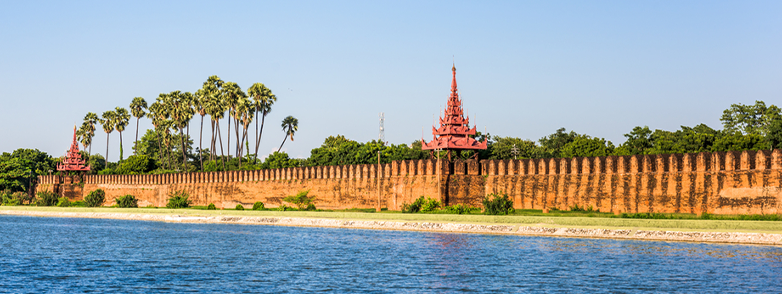
Myanmar's last royal capital, Mandalay is a city where history, culture and craftsmanship come together. Rich in royal heritage, the city is home to iconic landmarks including Mandalay Palace, the sacred Mahamuni Buddha Temple, Kuthodaw Pagoda - known for housing the world's largest book and the legendary U Bein Bridge, the world's longest teakwood bridge.
Discover traditional workshops where skilled artisans continue centuries-old crafts, from gold leaf making and wood carving to silk weaving. Climb Mandalay Hill for panoramic views of the city, or explore the banks of the Ayeyarwady River, where local life unfolds against a backdrop of timeless scenery.
As the sun sets, Mandalay reveals its peaceful charm, with golden pagodas, historic monuments and vibrant cultural traditions creating an unforgettable experience. Whether you're exploring Myanmar's royal history or immersing yourself in its artistic heritage, Mandalay offers a journey into the heart of the country's enduring legacy.
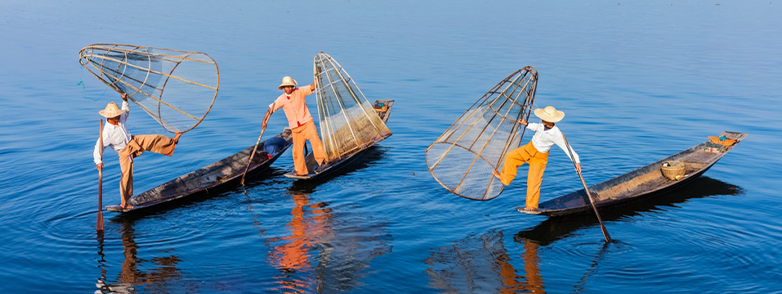
Set in the cool highlands of Shan State, Heho is the starting point for exploring one of Myanmar's most celebrated regions. A short journey from the town leads to Inle Lake, where floating gardens, stilt villages and the famous leg-rowing fishermen have become enduring symbols of Myanmar's cultural heritage.
The surrounding region is home to the Shan people, whose traditions, local markets and distinctive cuisine continue to shape everyday life. Nearby Taunggyi hosts Myanmar's famous Balloon Festival, when enormous handcrafted hot-air balloons and colourful fireworks transform the night sky into one of the country's most spectacular cultural celebrations.
Beyond the lake, visitors will find vineyards, monasteries and peaceful mountain landscapes that showcase a different side of Myanmar. From scenic boat rides on Inle Lake to exploring the rich traditions of Shan State, Heho provides an unforgettable introduction to one of the country's most remarkable destinations.
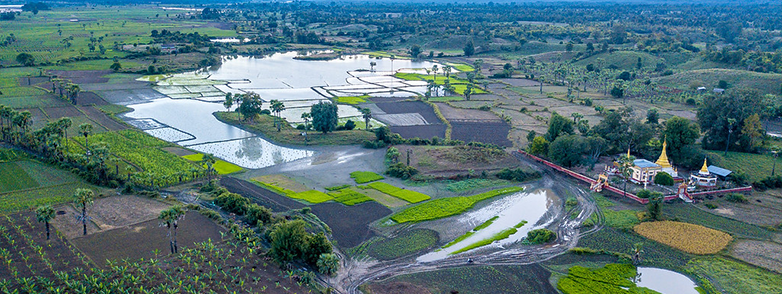
Nestled along the banks of the Chindwin River in Sagaing Region, Homalin is one of Myanmar's most remote and picturesque towns. Surrounded by forests, rolling hills and winding waterways, it offers visitors a chance to experience a slower pace of life while discovering the natural beauty of northern Myanmar.
For generations, the Chindwin River has been the lifeline of Homalin, connecting communities and supporting trade throughout the region. Boats remain an essential part of everyday life, carrying people and goods along one of Myanmar's most important rivers. The surrounding landscape is also home to Htamathi Wildlife Sanctuary, a protected area that shelters diverse wildlife, including the endangered Bengal tiger, making it an important destination for nature conservation.
Golden pagodas overlook the riverbanks, while traditional villages preserve the customs and hospitality that define the region. A cruise along the Chindwin, visits to local communities and the peaceful scenery provide an authentic glimpse into one of Myanmar's least-explored destinations.
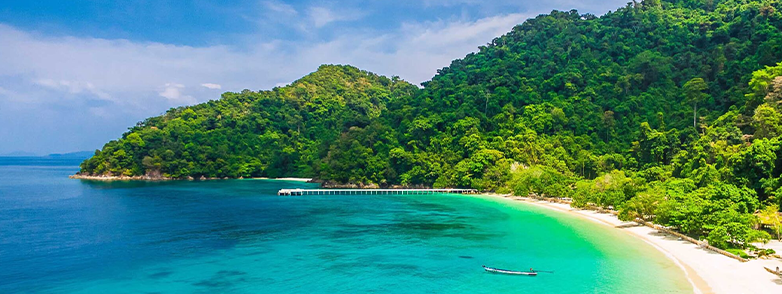
Located at Myanmar’s southernmost point, Kawthaung is a charming port town overlooking the Andaman Sea and the gateway to the untouched wonders of the Myeik (Mergui) Archipelago. With its tropical landscapes, island treasures and vibrant waterfront atmosphere, it offers a unique blend of adventure, nature and cultural discovery.
Shaped by generations of seafarers, traders and fishing communities, Kawthaung has long been a meeting place between Myanmar and neighboring Thailand. Traditional boats, bustling markets and fresh seafood stalls bring the town to life, reflecting the simple rhythms and warm hospitality of the southern coast.
Crystal-clear waters surrounding Kawthaung reveal a spectacular marine world of hidden beaches, colorful coral reefs and unspoiled islands. Visitors can sail to the iconic Cock’s Comb Island, snorkel among diverse sea life or explore the untouched landscapes of the Myeik Archipelago. From island exploration to quiet seaside moments, Kawthaung captures the natural charm and adventurous spirit of Myanmar’s Andaman coastline.
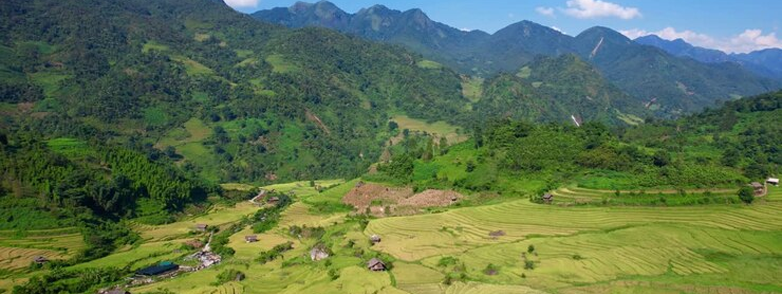
Set between the fertile plains and the Chin Hills, Kalay is a quiet town where cultures, commerce and countryside come together. Its position along routes toward the India border has made it a familiar stop for travelers, traders and communities moving through western Myanmar.
The town’s character is shaped by its everyday rhythms - buses arriving from distant places, roadside tea shops filled with conversation, and small workshops keeping vehicles and businesses running. Markets, farms and family enterprises reflect the steady pace of life that has grown around this important connection point.
With mountain landscapes on the horizon and a strong sense of community, Kalay offers a glimpse into the simple charm of Myanmar’s northwest. From scenic surroundings to friendly encounters, the town captures the warmth and resilience of a place built on connection and cooperation.
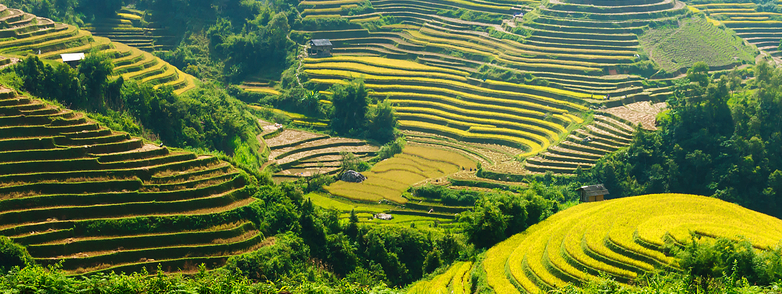
Nestled among the mountains of eastern Shan State, Kyaing Tong is a peaceful town known for its scenic landscapes, diverse cultures and traditional way of life. Surrounded by rolling hills, forests and valleys, the destination offers a refreshing escape filled with natural beauty and cultural discovery.
The town’s identity is shaped by the many ethnic communities who have lived in the region for generations. Colourful markets, traditional clothing, woven crafts and quiet monasteries reflect the rich traditions that continue to define everyday life in Kyaing Tong.
With misty mornings over Naung Tong Lake and scenic routes leading to nearby villages, Kyaing Tong invites travellers to experience a slower pace of life. From mountain scenery to meaningful cultural encounters, the town reveals the timeless character of eastern Myanmar.
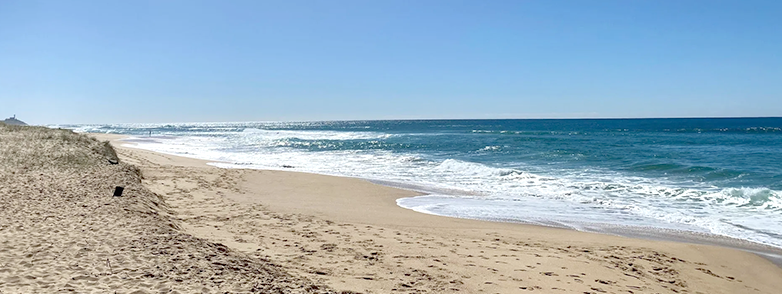
On the Rakhine coast, Kyaukpyu looks out toward the Bay of Bengal, where fishing boats and larger vessels share the same waters. The town’s harbor has long been a gathering place for fishermen, traders and sailors moving along the coastline.
Early mornings begin with the sounds of boats preparing for the day, while villages, mangrove areas and low coastal hills surround the shoreline. Beyond traditional fishing, Kyaukpyu has become connected to wider regional trade through its location near important sea routes and energy corridors.
Quiet beaches, ocean views and a strong connection to the sea define Kyaukpyu’s character. It is a place where old coastal traditions continue alongside new possibilities, creating a unique meeting point between local livelihoods and the wider world.
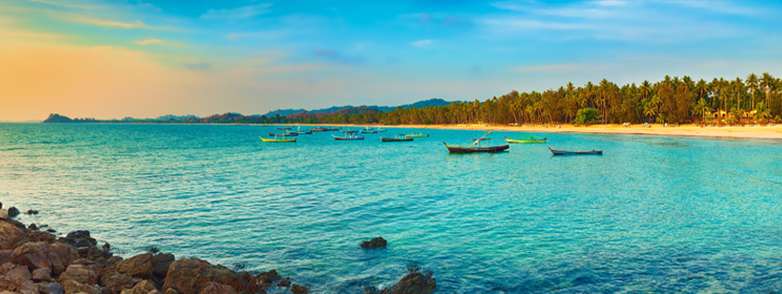
Situated along Myanmar's Andaman coastline, Dawei is a charming coastal city where unspoiled beaches, rich cultural heritage and a relaxed pace of life come together. Once an important trading port, Dawei today welcomes visitors seeking peaceful seaside escapes, authentic local experiences and some of the country's most beautiful coastal scenery.
The city's history is closely connected to the sea, with fishing communities shaping local traditions for generations. Dawei is also influenced by the culture of southern Myanmar, reflected in its historic temples, local cuisine and traditional way of life. Just offshore, Myaw Yit Pagoda stands on a small island, overlooking the Andaman Sea and serving as one of the region's most recognizable spiritual landmarks.
Beyond the town, long stretches of sandy beaches and crystal-clear waters offer the perfect setting for relaxation and exploration. Visitors can enjoy fresh seafood, discover quiet coastal villages or simply take in the natural beauty of Myanmar's southern coastline, where every journey reveals a slower, more tranquil side of the country.
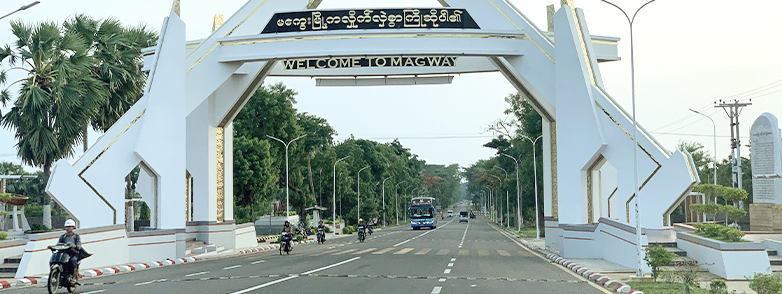
Set along the Ayeyarwady River in central Myanmar, Magway is a region shaped by ancient traditions, fertile landscapes and a long history of craftsmanship and industry. From riverside pagodas to historic sites and traditional villages, the area reflects the enduring spirit of life in Myanmar’s dry zone.
For centuries, Magway has been connected to agriculture, trade and natural resources. The oil fields of Yenangyaung and Chauk represent an important chapter in Myanmar’s industrial history, while local workshops continue to preserve traditional skills in sesame products, woodwork and handicrafts.
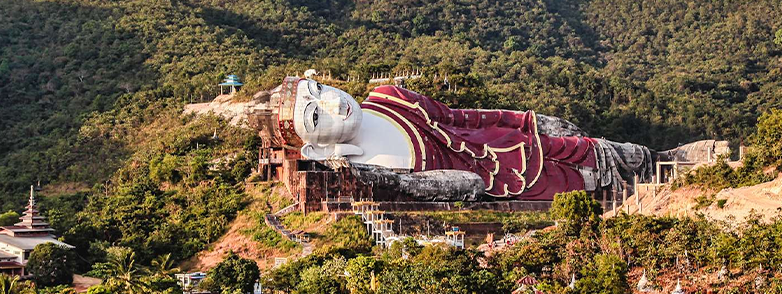
Where the Thanlwin River meets the sea, Mawlamyine unfolds with colonial architecture, hilltop pagodas and sweeping waterfront views. As Myanmar's first British colonial capital, the city carries a rich legacy that can still be seen in its historic streets and elegant buildings.
Life here is shaped by the river, where ferries, markets and local cafés create a relaxed atmosphere throughout the day. Nearby limestone caves, tropical islands and historic monasteries add depth to a destination that balances heritage with natural beauty.
From watching the sunset over the Thanlwin to discovering the city's diverse cultural influences, Mawlamyine rewards travelers with experiences that are both timeless and distinctly southern Myanmar.
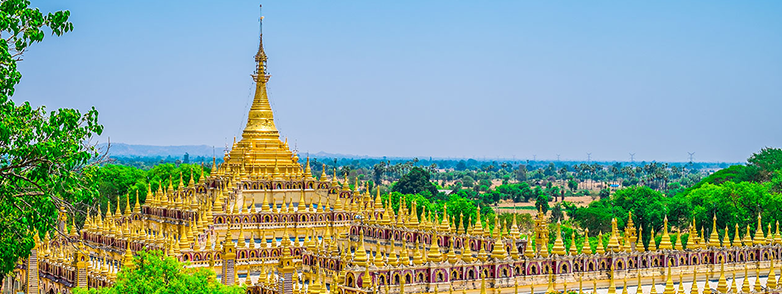
On the banks of the Chindwin River, Monywa blends spiritual landmarks with the energy of central Myanmar. The city is recognized for its impressive Buddhist monuments, including the towering Laykyun Sekkya Buddha and the striking Thanboddhay Pagoda, whose thousands of Buddha images create an unforgettable sight.
The surrounding countryside reveals a landscape of rivers, caves and fertile farmland that has supported local life for generations. Colorful markets, riverside activity and traditional crafts give Monywa a distinctive character, while nearby attractions offer a deeper look into the region's history and beliefs.
Whether admiring remarkable architecture, exploring ancient cave temples or enjoying the peaceful scenery along the Chindwin, Monywa presents a memorable journey through Myanmar's cultural heartland.
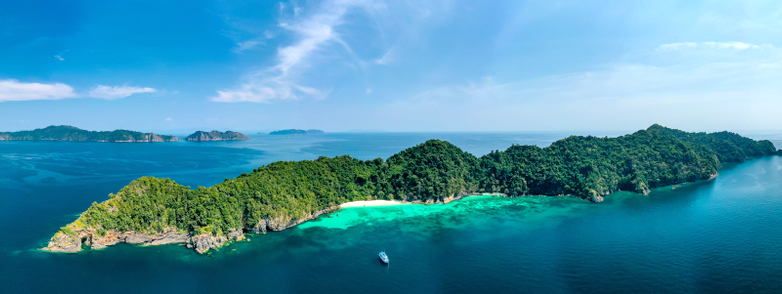
Facing the Andaman Sea in southern Myanmar, Myeik is a historic coastal town shaped by fishing, trade and centuries of seafaring traditions. Its colorful waterfront, traditional boats and busy harbor reflect a close connection between the town and the ocean.
Once an important trading port, Myeik continues to thrive through seafood, pearl cultivation and local industries. Along the shoreline, old piers and markets tell stories of generations who have relied on the sea, while fishermen navigate familiar waters using knowledge passed down through time.
Beyond the harbor lies the breathtaking Myeik (Mergui) Archipelago, home to hundreds of forest-covered islands, clear waters and hidden coastal landscapes. With its rich maritime culture and untouched surroundings, Myeik offers travelers an authentic escape into Myanmar’s southern seascape.
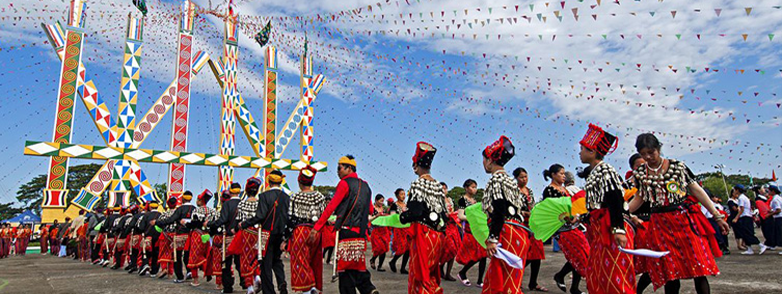
Located along the banks of the Ayeyarwady River in northern Myanmar, Myitkyina is the capital of Kachin State and an important center for river transport and regional trade. Situated near the great river confluence, the city offers a unique blend of natural landscapes, cultural traditions and everyday local life.
For generations, Myitkyina has grown around its waterways, railway connections and thriving markets. Churches, pagodas and traditional communities stand side by side, reflecting the diverse heritage of the region, while local livelihoods remain closely connected to the river, forests and changing seasons.
Surrounded by scenic landscapes, Myitkyina invites visitors to discover the famous Ayeyarwady confluence, experience Kachin culture and explore the peaceful charm of northern Myanmar. From riverside views to cultural encounters, the city offers an authentic glimpse into life at the heart of Kachin State.
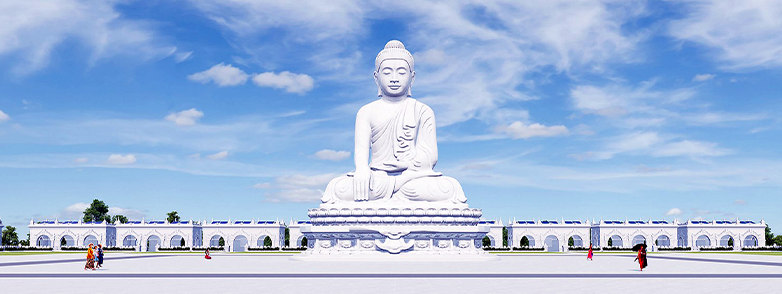
Myanmar's capital city, Nay Pyi Taw is a modern destination known for its spacious boulevards, landscaped parks and impressive landmarks. Designed as the nation's administrative center, the city offers a peaceful atmosphere where contemporary planning blends with Myanmar's cultural heritage.
Discover iconic attractions such as the magnificent Uppatasanti Pagoda, the serene Mingalar Kandaw gardens and the remarkable Maravijaya Buddha Image, one of the world's largest marble Buddha statues. These landmarks reflect the country's deep Buddhist traditions while showcasing the city's architectural ambition and national pride.
Beyond its grand avenues and tranquil surroundings, Nay Pyi Taw welcomes travelers with beautiful green spaces, cultural attractions and a calm pace of life. Whether visiting for business, government events or leisure, Myanmar's capital offers a unique perspective on the country's history, spirituality and modern development.
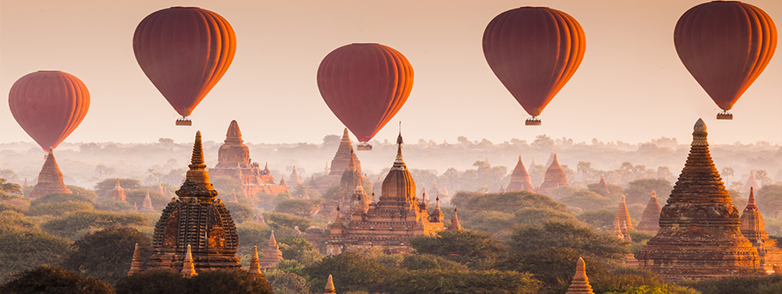
Known as the starting point for exploring the ancient city of Bagan, Nyaung U combines historic traditions with the rhythm of everyday Myanmar life. The town welcomes travelers with its lively markets, shaded streets and close connection to the thousands of temples spread across the nearby plains.
Long before modern tourism, Nyaung U grew as a center for trade and craftsmanship. Local workshops continue to preserve the art of lacquerware, while rural roads, farms and traditional ways of life create a strong sense of place. The golden spires of Shwezigon Pagoda remain a symbol of the town’s spiritual importance.
From quiet sunrise journeys across Bagan’s temple landscape to cycling through village paths and meeting local artisans, Nyaung U reveals a side of Myanmar where history, craftsmanship and daily life exist together.
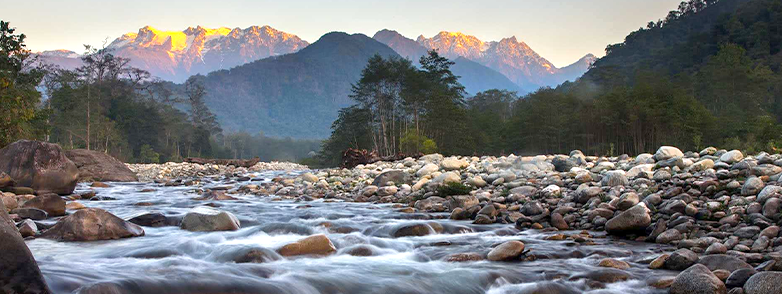
At the northern edge of Myanmar, Puta-O sits beneath the shadow of the Himalayas, where cool mornings, forest trails and distant peaks define the landscape. The town is a quiet starting point for journeys toward some of the country’s highest mountains, including Hkakabo Razi.
Here, nature sets the rhythm. Pine forests, wild orchids and clear mountain rivers surround the region, while trekking routes lead through remote valleys and villages where traditional ways of life continue. Every journey requires preparation, respect and patience as the terrain changes with the seasons.
Far from busy city life, Puta-O reveals a different side of Myanmar - one shaped by mountains, wilderness and the people who call this highland home. It is a place where adventure begins slowly and every path tells a story.
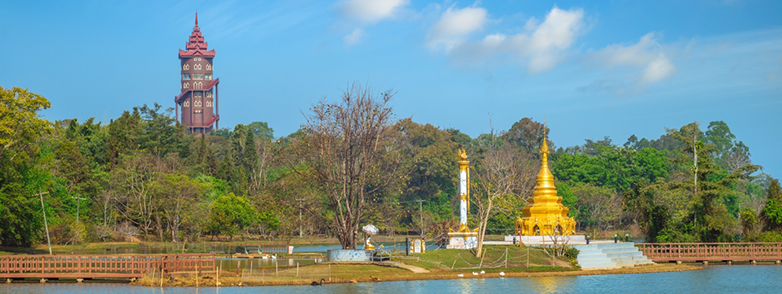
Above the plains of Mandalay Region, Anisakan sits among forested hills and cool mountain air near Pyin Oo Lwin. The small highland area is best known for its dramatic waterfall, where streams descend through rocky cliffs into a quiet green valley.
The journey to Anisakan is part of the experience, with winding paths, fresh surroundings and views that reveal the peaceful character of the countryside. Misty mornings, flowing water and dense vegetation create a natural retreat away from busy roads and city life.
A short escape into the hills, Anisakan brings together scenery, adventure and tranquility in a simple setting. Its waterfall and woodland trails show a different side of Myanmar - calm, refreshing and close to nature.
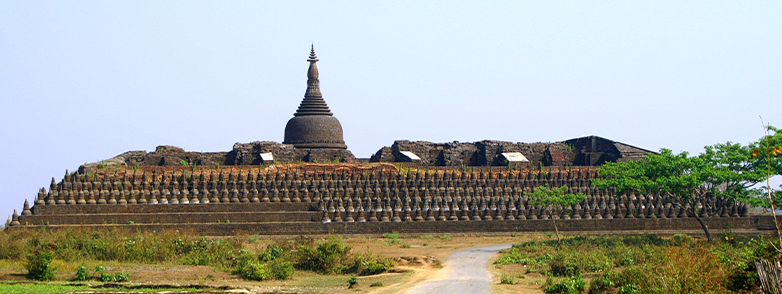
At the western edge of Myanmar, where the Kaladan River flows into the Bay of Bengal, Sittwe stands as a coastal city shaped by rivers, tides and maritime traditions. Its waterfront has long been a center of fishing, trade and daily activity, connecting communities along Rakhine State’s shoreline.
The city’s character comes from its relationship with the sea. Fishing boats gather at the harbor, markets fill with fresh seafood and local flavors, while the changing weather and tides guide the rhythm of everyday life. Palm-lined streets and ocean breezes add to Sittwe’s relaxed coastal atmosphere.
With its scenic waterfront, cultural landmarks and views across the bay, Sittwe offers travelers an opportunity to experience the unique spirit of western Myanmar. A place of resilience and tradition, the city reflects the enduring bond between people and the sea.
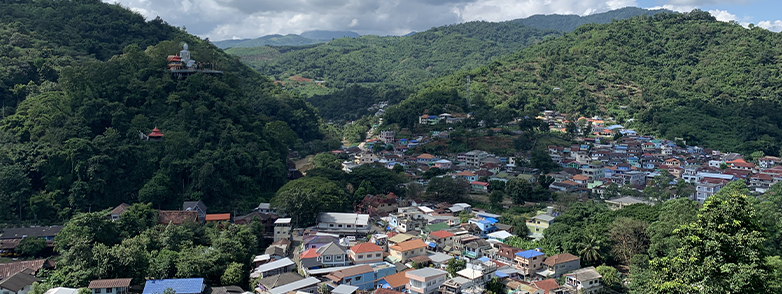
Situated in eastern Shan State near the Myanmar–Thailand border, Tachileik is a lively frontier town where cultures, commerce and traditions meet. Connected to Thailand’s Mae Sai by a bridge across the Sai River, the town reflects the everyday exchange of people, goods and ideas between two neighboring countries.
For generations, Tachileik has been a center of cross-border trade, with bustling markets, colorful street stalls and busy roads filled with travelers and merchants. The influence of Shan, Thai and local communities can be seen in its cuisine, language and customs, while peaceful monasteries and traditional celebrations reveal the region’s rich cultural heritage.
Surrounded by green hills and scenic landscapes, Tachileik offers visitors a glimpse into the charm of eastern Shan State. Explore the vibrant border markets, visit Shan-style temples with their distinctive architecture, or enjoy the surrounding countryside where local life continues at a relaxed pace. From cultural encounters to mountain views, Tachileik showcases the unique character of Myanmar’s eastern gateway.